Facebook
 X
X
 Pinterest
 Copy Link
One of the most important steps in the downsizing journey is planning your furniture layout before you move. This step may seem simple, but it has a profound impact on your comfort, safety, and peace of mind in your new home. When you take the time to map out where your furniture will go, you reduce stress, avoid last‑minute decisions, and create a living environment that truly supports your lifestyle today.
Planning your layout early also helps you make thoughtful choices about what to bring, what to let go of, and how to design a space that feels both familiar and fresh. This is your opportunity to create a home that reflects who you are now—not who you were decades ago.
Download the full Downsizing with Purpose workbook: https://drive.google.com/file/d/1lO7I2zElsr0Ax9-yDeisaNqMBrfGGurw/view?usp=sharing
Why Planning Your Layout Matters
A well‑planned layout does more than determine where your sofa or bed will go. It sets the tone for your entire transition. When you know exactly what will fit—and where—you eliminate guesswork and reduce the emotional and physical strain of move day.
Thoughtful planning helps you:
- Avoid overcrowding your new home
- Prevent safety hazards like tight walkways or blocked doors
- Ensure your most important pieces have a place
- Make confident decisions about what to keep
- Create a space that feels comfortable and functional from day one
This step is especially important if you’re moving to a smaller home, apartment, or senior living community where square footage is limited.
Start With a Floor Plan
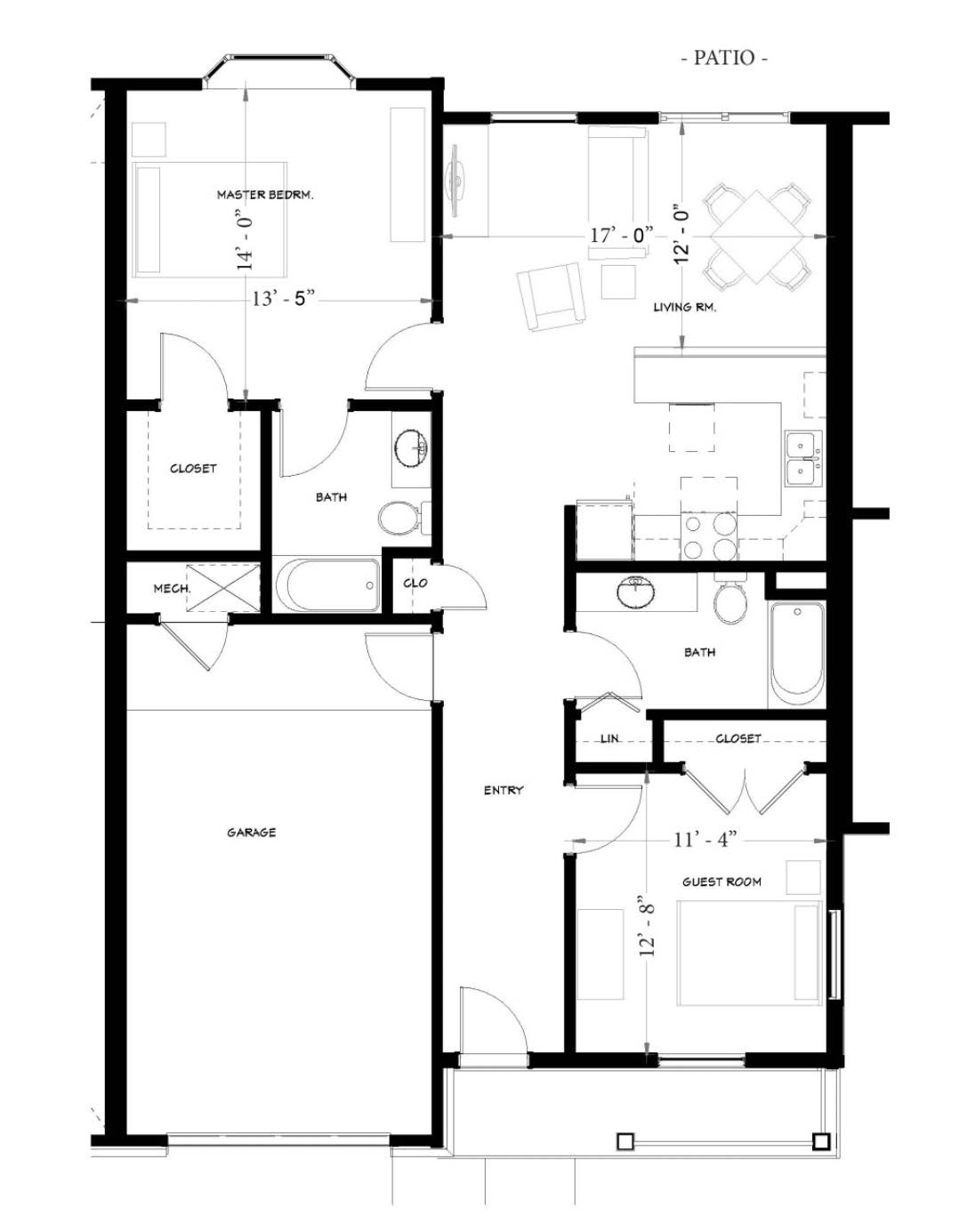
If you have access to a floor plan for your new home, use it as your guide. Measure each room, doorway, and hallway. Then measure your furniture. This helps you determine what will fit comfortably—and what won’t.
If you don’t have a formal floor plan, you can create a simple sketch. The goal isn’t perfection; it’s clarity.
Prioritize Your Essential Pieces
Not everything you own needs to make the move. Start by identifying the pieces that matter most—emotionally, functionally, or both.
Ask yourself:
- Which pieces do I use every day?
- Which items bring me comfort or joy?
- Which pieces support my lifestyle today?
- Which items are too large or impractical for my new space?
Your new home should reflect your current needs, not the needs of a past chapter.
Design for Safety and Ease
As you plan your layout, think about how you move through your home. Safety and accessibility are essential, especially when transitioning to a smaller space.
Consider:
- Clear pathways free of tripping hazards
- Adequate lighting
- Easy access to frequently used items
- Furniture placement that supports mobility
- Avoiding tight corners or narrow walkways
A well‑designed layout supports independence and comfort.
Visualize Your New Space
Once you’ve mapped out your layout, take time to imagine yourself living in the space. Picture your daily routines—morning coffee, reading, cooking, relaxing. Does the layout support those moments? Does it feel peaceful and manageable?
If something feels off, adjust it now. It’s much easier to make changes on paper than on move day.
Key Takeaways
- Planning your furniture layout early reduces stress and prevents overcrowding.
- A thoughtful layout supports safety, comfort, and independence.
- Prioritizing essential pieces helps you make confident decisions about what to bring.
- Visualizing your new space ensures your home reflects your lifestyle today.
Reflection Prompts
- Which pieces of furniture feel essential to your comfort and daily routines?
- What concerns do you have about fitting your belongings into your new space?
- How can your layout support safety, ease, and independence?
- What would make your new home feel peaceful and welcoming from day one?
Next Up
Step 2 — Tagging furniture and large items.
The Forevermore Homes Team
The Forevermore Homes Team of Coldwell Banker is here to help you design a space that supports comfort, ease, and confidence as you begin your next chapter.